Subtotal 0,00 EGP

- 58 El Hegaz Street, Heliopolis, Egypt
- +201091818229
- info@after-graphic.com

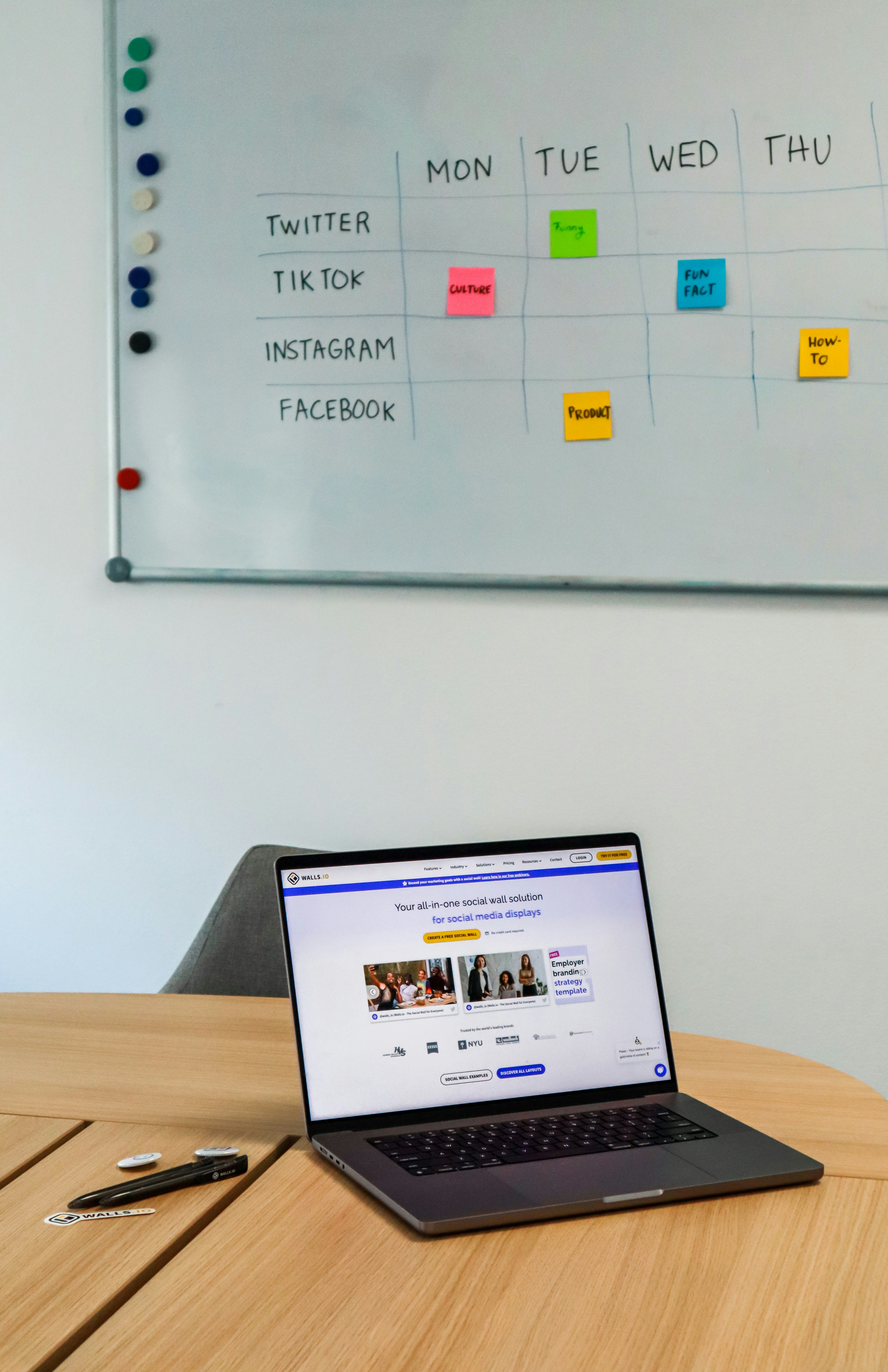
Generative Engine Optimization GEO Trends 2026 are fundamentally reshaping the way businesses connect with audiences online. We are no longer in an age where simple keywords dictate success. Instead, we have entered the era of Artificial Intelligence, where Generative Engines (like Google’s Gemini, ChatGPT, and SGE) provide direct, synthesized answers to users. At After Graphic Studio, we understand that adapting to these changes is not just an option; it is a necessity for survival in the digital marketplace.
The landscape of digital marketing in Egypt and globally is witnessing a paradigm shift. Traditional “Blue Links” are being pushed down by AI-generated snapshots. This means that to be seen, your content must be optimized to be “cited” by these engines. This comprehensive guide explores the critical Generative Engine Optimization GEO Trends 2026 that every marketing manager and business owner must master to stay ahead of the curve.
Generative Engine Optimization (GEO) is the multi-disciplinary practice of creating content specifically designed to rank well in AI-generated search results. Unlike traditional SEO, which focuses on ranking a webpage for a specific query, GEO focuses on becoming the “trusted source” that an AI uses to construct its answer.
According to comprehensive reports from Search Engine Land, the goal of GEO is to optimize for “Answer Engine Optimization” (AEO). This involves structuring data in a way that Large Language Models (LLMs) can easily parse, understand, and reference. As we look towards Generative Engine Optimization GEO Trends 2026, the focus is shifting from “searching” to “answering.”
Understanding the difference between SEO and GEO is crucial. Traditional SEO is about keywords, backlinks, and technical site health. While these remain the foundation, Generative Engine Optimization GEO Trends 2026 introduce new layers:
For businesses utilizing our Web Solutions, we ensure that the underlying code structure supports both traditional SEO and modern GEO requirements.
To dominate the search landscape in 2026, you need actionable strategies. Here is the blueprint for success:
Your brand must be mentioned by other authoritative sources. AI models are trained on vast datasets; the more your brand appears in reputable context (news sites, industry journals, whitepapers), the more likely the AI is to trust you as a fact. This is the new “Link Building.”
Language models need help understanding context. Implementing rigorous Schema.org markup helps machines understand that “Apple” refers to the technology company, not the fruit. You can learn more about this at the official Schema.org documentation. By structuring your FAQs, Articles, and Products, you feed the AI exactly what it needs to construct an answer.
AI models prioritize content that includes verifiable data. Content that says “Many people use the internet” is weak. Content that says “92% of users use the internet according to Statista” is strong. One of the key Generative Engine Optimization GEO Trends 2026 is the heavy reliance on data-backed content.
A critical aspect often overlooked in GEO discussions is the intersection of voice search and mobile usage, particularly in the Egyptian market. With the proliferation of smartphones, users are increasingly utilizing voice commands to find local businesses and services. This behavior directly feeds into Generative Engines, which process these spoken, natural-language queries.
To capitalize on this, your content must mimic conversational speech patterns. Instead of targeting robotic keywords, target full questions like “Where can I find the best graphic design studio near me?” This aligns your content with the conversational nature of AI chatbots and voice assistants. Optimizing for “Near Me” searches and ensuring your Google Business Profile is pristine is a fundamental part of our strategy at After Graphic Studio to capture this mobile-first audience.
In Egypt, the adoption of AI search is accelerating. Users are increasingly asking conversational questions in Arabic and English (e.g., “What is the best digital marketing agency in Cairo for real estate?”). Standard keywords won’t capture this traffic.
Businesses in Egypt must pivot to creating content that mimics natural conversation. This aligns perfectly with our Digital Marketing Services, where we focus on conversational intent and localized context. Local businesses must optimize their NAP (Name, Address, Phone) data consistency, as AI relies heavily on local citations.
Adapting to Generative Engine Optimization GEO Trends 2026 requires a new tech stack. You cannot rely solely on old keyword planners. You need tools that analyze “Semantic Relevance.”
Furthermore, integrating analytics that track “brand mentions” rather than just link clicks is vital. Understanding how often your brand is cited in AI-generated answers will become a primary KPI for marketing directors in the coming years.
The transition to the AI-first web is inevitable. The Generative Engine Optimization GEO Trends 2026 outlined in this guide are your roadmap to relevance. It is no longer about tricking an algorithm; it is about providing such high-value, well-structured, and authoritative content that the AI has no choice but to cite you.
At After Graphic Studio, we are committed to guiding our partners through this transformation. By embracing these trends today, you secure your market position for tomorrow. Don’t wait for the traffic to drop; start optimizing for the Generative Engines now.