- 58 El Hegaz Street, Heliopolis, Egypt
- +201091818229
- info@after-graphic.com
- Login
- Track Order


As we navigate the rapidly shifting currents of the digital marketing world, Generative Engine Optimization (GEO) has officially emerged as the most critical frontier for brands aiming to secure long-term visibility. Geo dominance refers to the highly strategic positioning of brands and businesses within specific geographical areas to exponentially enhance their visibility, relevance, and absolute authority in the realm of artificial intelligence. As consumer behavior increasingly favors highly localized, context-aware content and services, the concept of geo dominance has gained massive traction.
At After Graphic Studio, we have spent 20 years mastering the architecture of digital branding. We know that true digital dominance is not merely about having a physical location listed on a map; it involves engineering an influential, unshakeable digital footprint that aligns perfectly with the hyper-specific needs of local audiences and their evolving search behaviors. With the explosive rise of large language models (LLMs), users are no longer just “searching” for links; they are asking complex questions and expecting immediate, synthesized, and highly accurate answers generated by AI.
In the context of modern digital marketing, establishing this level of geo dominance is absolutely crucial. It allows brands to appeal directly and intimately to the preferences, cultural nuances, and core values of their target demographics. By heavily investing in Generative Engine Optimization, companies possess a unique, fleeting opportunity to establish themselves as primary, trusted information sources before their competitors even understand the new rules of the game.
By providing incredibly high-quality, semantically relevant content that caters specifically to local consumer interests, ambitious businesses can dramatically enhance their visibility among both human consumers and complex AI algorithms. This powerful, symbiotic relationship between rich content and AI synthesis ensures that brands are prominently represented—and cited as authoritative sources—when local consumers seek products, services, or expert advice online.
The digital landscape has undergone profound, earth-shattering changes in recent years, particularly with the mainstream advent of advanced artificial intelligence technologies. Traditional SEO primarily focused on enhancing website visibility through rigid keyword-driven strategies, acquiring sheer volumes of backlinks, and meticulously structuring content to appease simple search engine crawlers. While these foundational practices were effective for over a decade, the glaring limitations of traditional SEO have become increasingly apparent as user expectations rapidly evolve.
Generative Engine Optimization represents a massive, transformative shift in this fundamental paradigm. Unlike traditional SEO, which often forced content into unnatural structures just to rank, GEO emphasizes understanding and deeply anticipating true user intent. It focuses on how AI models process, synthesize, and regurgitate information. This new approach harnesses the raw computational power of AI to produce dynamic, highly interactive content that perfectly accommodates the complex nuances of human language.
Key innovations in the realm of Generative Engine Optimization include the sophisticated use of AI-driven tools to analyze deep user interactions, historical context, and predictive behavioral patterns. These deep insights allow technical practitioners to craft personalized content experiences, which significantly enhances user engagement and drastically reduces bounce rates. Furthermore, GEO firmly prioritizes continuous adaptability—content is never static but dynamically evolves based on real-time user feedback and strict operational performance metrics.
This rapid evolution also heralds a necessary movement away from rigid, outdated optimization practices towards a much more holistic, architectural approach. It now requires seamless collaboration between technical SEO specialists, creative content directors, and AI workflow automation experts. As search engines like Google heavily incorporate generative AI technologies (like Google’s AI Overviews), the differences between traditional ranking and generative citation will dictate who wins and who loses in 2026.
Artificial Intelligence has rapidly become pivotal in shaping the modern landscape of high-level content creation and strategic curation. As we actively delve into the massive implications of AI for 2026, it is critical to understand precisely how elite brands leverage AI-driven insights to produce content that resonates profoundly with their target audiences. The seamless integration of AI tools, especially versatile LLMs like Claude and ChatGPT, has completely streamlined the process of crafting relevant narratives.
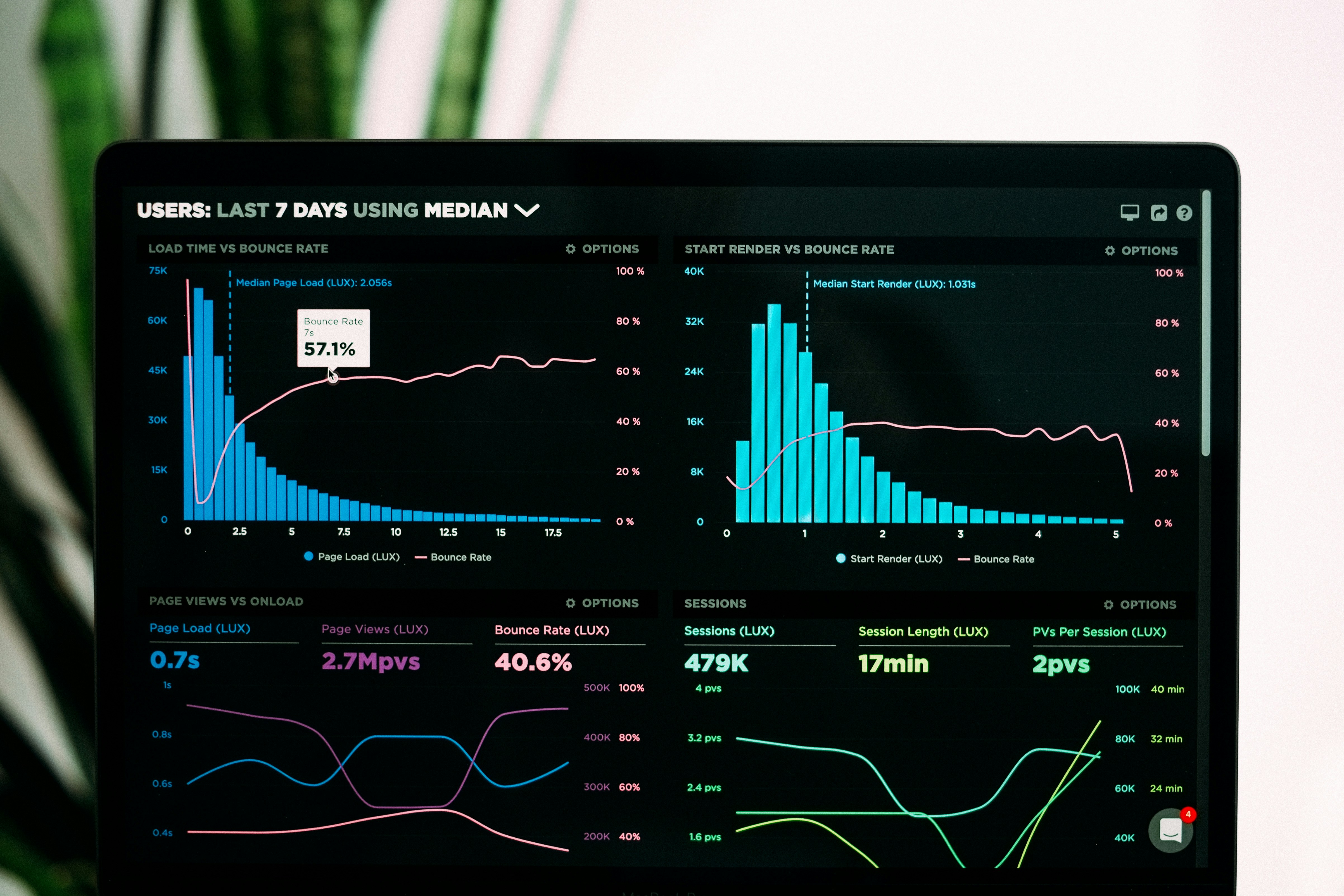
One of the most notable, immediate advantages of utilizing AI in content creation is the unprecedented ability to analyze vast, complex amounts of data rapidly. By effectively harnessing deep consumer behavior analytics, modern brands can instantly identify emerging trending topics, subtle localized preferences, and urgent pain points. This capability strongly facilitates high-quality content generation that aligns flawlessly with consumer expectations in real-time.
However, the mass adoption of AI is certainly not without its severe challenges. The dangerous potential for AI hallucinations (misinformation) and the complex ethical implications surrounding content authenticity simply cannot be overstated. Brands must skillfully navigate the very fine line between leveraging AI for massive operational efficiency and maintaining a genuine, empathetic engagement with their audience.
The risk of producing boring, generic content is highly prevalent when teams rely solely on default AI outputs. Therefore, a strategic hybrid approach—one that flawlessly combines raw human creativity with AI efficiency—is highly advisable. This ensures that while AI handles the heavy lifting of data analysis and drafting, strict human oversight guarantees brand originality, stylistic relevance, and emotional resonance.
In the highly saturated current digital landscape, establishing unshakeable authority is paramount for brands aiming to gain absolute market dominance. A fundamental, non-negotiable strategy for achieving this is through the relentless development of high-quality, uniquely valuable content. Such content plays a crucial role in deeply influencing how brands are perceived by both human readers and AI crawlers.
As artificial intelligence models increasingly utilize diverse, localized content sources to derive their generated insights, your brand must be the source they trust. When brands consistently produce content that is not only highly informative but also uniquely data-driven, they pave a solid, concrete way for trust and authority. These are the absolute key components in cultivating long-term, profitable relationships with discerning consumers.
One highly effective approach to mastering Generative Engine Optimization is to heavily invest in original research and actively generate unique, proprietary data. Unique findings do not merely provide substantial value to the end users; they decisively set a brand apart from lazy competitors and establish the brand as a primary point of reference. As AI models scrape and aggregate information, the inclusion of original case studies or unique local datasets dramatically enhances a brand’s likelihood of being cited.
Moreover, intelligently incorporating expert opinions and deep, hard-earned insights can greatly bolster a brand’s authority. Content that features exclusive interviews with recognized industry leaders or deep technical analysis enhances the perception of credibility. Such authoritative collaborations significantly increase the likelihood of the content being prominently referenced by AI generative systems, further solidifying the brand’s standing.
At After Graphic Studio, we apply a very specific philosophy to digital marketing and SEO: the “Sana’eya” (Master Craftsman) approach. True craftsmanship in 2026 means we do not just rely on automated plugins to do our jobs; we architect digital solutions from the ground up with profound intention. AI is our most powerful tool, but it requires the steady hand of an experienced craftsman to guide it effectively.
When applying Generative Engine Optimization, the “Sana’eya” mindset means obsessing over semantic details. We do not just target the keyword “best restaurants in Cairo”; we architect content that explains the history, the cultural significance of the food, the exact geographic coordinates, and the customer sentiment. We build a comprehensive entity that an AI model cannot help but recognize as the absolute best, most definitive answer to a user’s query.
This level of dedication to the craft is exactly what separates temporary traffic spikes from long-term, dominant digital authority. We treat every single article, landing page, and meta description as a vital, load-bearing brick in the grand digital architecture of a brand’s online presence. If the craftsmanship is poor, the AI engines will easily bypass it in favor of better-built competitors.
In the highly competitive realm of Geo Dominance, establishing a robust, data-driven framework for actively measuring success is imperative. As brands navigate the rapidly evolving landscape of Generative Engine Optimization, traditional metrics like simple page views are no longer sufficient. To effectively assess the true business impact, organizations must immediately adopt a multi-faceted approach.
One of the absolute primary metrics to monitor in a GEO strategy is AI Citation Counts. This specific metric quantifies exactly how often your brand is actively referenced as a source within AI-generated responses (such as in ChatGPT or Gemini). It serves as a direct, undeniable measure of your visibility and authority. Increased AI citation counts correlate perfectly with enhanced online trust, facilitating far better search rankings overall.
Deep engagement levels also play a deeply crucial role in measuring practical success. These encompass highly qualified user interactions, such as deep page scrolls, low bounce rates, and high time-on-site metrics across your localized landing pages. High engagement strongly indicates that your targeted audiences genuinely resonate with the content created under your specific GEO strategy.
Additionally, technical domain authority scores must be taken into serious account. Tools like Rank Math Pro, combined with external platforms like Ahrefs, provide incredibly valuable insights into your site’s overall health. Brands that consistently achieve high authority scores and maintain perfect technical SEO health typically benefit from exponentially improved search visibility, affirming the critical importance of technical perfection.
In the evolving landscape of digital marketing, true Geo Dominance represents a remarkable, highly profitable shift towards tailored engagement with consumers. Various forward-thinking brands have successfully implemented Generative Engine Optimization strategies, resulting in massive, highly significant improvements in their market presence. This section highlights notable implementations crafted by experienced agencies.
Consider the strategic digital overhauls required for massive industrial and commercial entities like Eagle Aluminum or Sanabel Horizon. These B2B powerhouses do not just need local foot traffic; they require deep, authoritative regional dominance. By deploying advanced GEO strategies, we ensured that when purchasing managers use AI tools to research “top-tier aluminum suppliers in the region,” the AI models specifically generate responses highlighting their manufacturing capabilities and massive scale.
Another illustrative case involves consumer-facing brands operating in highly competitive local sectors, such as the food and beverage industry with clients like Rosto. By strictly utilizing highly localized GEO data and semantic clustering, the digital strategy was utterly transformed. We fed the digital ecosystem with rich, perfectly structured data about menu items, exact delivery radiuses, and localized customer reviews.
This aggressive GEO approach required overcoming massive data integration processes, yet it succeeded in developing a highly robust system. As a direct result, when local users queried AI engines for dining recommendations, the brand was consistently cited as the top contextual choice. These cases absolutely demonstrate the undeniable financial power of flawless GEO implementation.
Executing a flawless Generative Engine Optimization strategy requires an equally flawless technical infrastructure. You cannot build a skyscraper on a foundation of sand. For the vast majority of our clients, this rock-solid foundation is meticulously built using WordPress and WooCommerce, heavily fortified by advanced plugins like Rank Math Pro to handle complex schema markup.
Schema markup is the absolute secret weapon of GEO. It is the specific language that translates your human-readable content into structured, highly organized data that AI models can instantly understand and categorize. Without perfect schema—whether it is local business schema, product schema, or FAQ schema—AI engines will struggle to confidently cite your brand as an authority.
To scale these efforts, we heavily rely on advanced workflow automation platforms like n8n. By connecting WordPress APIs directly to data processing nodes, we can automatically update pricing, inventory, and localized content across hundreds of pages instantly. This ensures that the data AI engines are scraping is always 100% accurate, up-to-date, and perfectly optimized for the current market conditions.
As we boldly look toward the remainder of 2026 and beyond, the vast landscape of Generative Engine Optimization is heavily poised for even more transformational changes. These rapid shifts are driven entirely by relentless technological advancements and evolving consumer behaviors. The massive shift towards hyper-personalized and intensely localized content delivery will become absolutely paramount.
One highly significant trend is the rapid, increasing integration of real-time machine learning within local GEO frameworks. These advanced technologies enable local brands to analyze massive amounts of localized foot-traffic data and digital interactions much more efficiently. By heavily utilizing predictive analytics, companies can accurately anticipate consumer needs and dynamically alter their website content before the user even realizes what they want.
Moreover, the unstoppable rise of conversational voice search and smart home assistants presents massive new opportunities. As more users engage with voice-activated AI, optimizing specifically for long-tail, conversational keywords will become crucial. Brands that deeply harness the core principles of GEO effectively will be infinitely better positioned to capture this massive, growing demographic of hands-free consumers.
Additionally, the rapid proliferation of augmented reality (AR) technologies opens up highly innovative pathways for local engagement. By intelligently incorporating AR data into GEO strategies—such as AI-generated local digital storefronts—brands can deliver deeply immersive experiences. This capability firmly fosters a much deeper emotional connection with the local audience, essential in a heavily cluttered marketplace.
As ambitious brands prepare to fully adopt Generative Engine Optimization, several major challenges come to the absolute forefront. One of the primary, ongoing hurdles is the extreme volatility of AI algorithm changes. With major search engines and AI companies continuously evolving their core algorithms behind closed doors, brands must remain incredibly informed and highly agile.
In addition to massive algorithm shifts, the sheer, unprecedented volume of content generated through AI can intensely intensify market competition. As millions of brands leverage automated systems to produce large quantities of content, the digital landscape will quickly become inundated with highly similar, boring themes. This abundance necessitates an extreme, unyielding focus on high-quality, “Sana’eya” level craftsmanship.
Maintaining content quality is absolutely not just about avoiding redundancy; it is about ensuring that the generated material perfectly meets deep human expectations. Brands must aggressively consider implementing highly rigorous, multi-layered review processes. Collaborating tightly with skilled, experienced human writers and deep subject matter experts bridges the gap between cold automation and warm, engaging quality.
To definitively overcome these massive hurdles, brands are strongly encouraged to continuously, relentlessly evaluate their GEO implementation. Conducting deep, regular technical audits of content structure is critical to identify hidden weaknesses. Investing heavily in advanced analytics allows brands to adapt their strategies promptly, ensuring they remain the dominant force in their local geo-markets.
As we have explored extensively throughout this deeply comprehensive article, the modern landscape of digital marketing and brand positioning is currently undergoing a massive, historical transformation due to the rapid rise of Generative Engine Optimization. This highly innovative strategy is absolutely not merely an optional tactic for brands seeking casual success; it is a vital necessity for basic survival.
Smart businesses must immediately recognize that the aggressive shift to generative engine optimization encompasses much more than simple technical, backend adjustments. It signifies a profound, fundamental change in exactly how brands engage with their human customers and how they clearly present their structured data to powerful AI models. Brands that fully embrace this change will dictate the market.
Moreover, flawless generative engine optimization goes hand in hand with a vastly enhanced, frictionless user experience. By heavily optimizing localized content for these new generative engines, brands can reliably provide much more relevant, deeply personalized interactions. Organizations that strategically prioritize GEO will definitively enhance their visibility and dramatically increase their chances of being cited by AI systems.
In conclusion, as we firmly anticipate the highly competitive future in 2026 and far beyond, it is overwhelmingly evident that Generative Engine Optimization is the ultimate key for brands striving to maintain total market dominance. Embracing this massive technological shift, and executing it with the precision of a true craftsman, is the only proven path to establishing your business as the untouchable leader in your industry. At After Graphic Studio, we are ready to build that future with you.